

The Next Era of Wealth Management: AI, Behaviour & Judgment | Bengaluru
- September 19, 2026
- 9:30 am to 4:00 pm
- Vivanta Bengaluru Residency Road.
EVENT DETAILS
Date- 19th September 2026
Time- 9:30 AM to 4:00 pm
Venue- Vivanta Bengaluru Residency Road.
Session 1: The AI-enabled Wealth Manager: Applications, Risks and the Human Edge
2-hour Practical Masterclass by Kashyap Kompella, CFA
Session Overview
AI is becoming a practical productivity and decision-support tool across wealth management and mutual fund distribution. It can help professionals research faster, communicate more clearly, structure client conversations and manage routine workflows more efficiently.
The emphasis of this workshop is practical rather than technical, with live demonstrations, realistic advisory workflows and clear guidance on responsible use.
What Participants Will Learn
- Where GenAI can add value in wealth-management and MFD workflows
- How to use leading AI tools such as ChatGPT, Claude and Gemini more effectively
- Practical techniques for better, more reliable outputs
- How AI can support research, client communication and financial-planning discussions
- How to distinguish useful AI assistance from investment judgement
- Key risks around accuracy, confidentiality, suitability and over-reliance
- How AI may affect investor behaviour, biases and adviser-client trust
- Where human judgement continues to provide an edge
Key Takeaways
- AI is most useful as an assistant across research, communication and planning workflows.
- Better prompting improves outputs, but verification remains essential.
- Personalised language is not the same as personalised financial advice.
- Client access to AI increases the importance of judgement, context and trust.
- Responsible adoption requires clear boundaries for data, compliance and human review.
- The winning model is likely to be an AI-enabled adviser, not AI replacing the adviser.
Who It Is For
Financial advisers, Wealth managers, Mutual fund distributors, Investment professionals
Session 2: Against Ourselves: Biases of the Successful
90-minute workshop on judgement, bias and manager selection, by Megha Malpani, CFA and Harsh Kumar, CFA
Loss aversion. Recency. Anchoring. Confirmation bias. We know them. We can spot them in others. But what happens when the bias comes from something much harder to question?
This workshop turns the lens on ourselves – exploring how conviction, experience and expertise can shape the way we select managers, make investment decisions and respond to clients.
The workshop examines decisions wealth practitioners make every day:
- A manager’s philosophy versus the portfolio actually being run
- A market problem versus a behaviour problem
- The evidence supporting a conviction versus the story built around it
- The judgement we make, and the assumptions underneath it
Participants leave with practical frameworks to examine these decisions more rigorously, including a one-page decision practice designed to make conviction more accountable to evidence.
Harsh and Megha bring the perspective of practitioners who assess portfolios together, challenge each other’s thinking and don’t always arrive at the same conclusion.
The workshop is practical, reflective and evidence-based (with no product recommendations or return projections).
Session 3: AI, Behavioral Finance and the Future of Wealth Management
30-minute Fireside Chat, with Kashyap, Megha, and Harsh
Behavioral finance has long helped advisers understand why clients may panic during market declines, chase recent performance, hold on to losing investments, under-diversify, or abandon long-term plans at precisely the wrong time.
The evidence suggests that the real value lies not in merely profiling clients, but in designing advice around better decisions: using SIPs and defaults, pre-agreed rebalancing rules, crisis protocols, simpler communication, structured choices and goal-based planning.
AI is now changing both the practice and the subject of behavioral finance. It can help advisers identify panic behavior, concentration, return chasing or deviations from a financial plan; personalize explanations; generate scenarios; and intervene before poor decisions are made. But the same capability can also be used to personalize persuasion, reinforce biases, or steer clients toward commercially attractive outcomes.
As clients increasingly use AI systems for investment research and as AI agents begin to move from recommending actions to executing them, the central question is no longer simply whether investors are biased. It is how human behavior, AI systems, adviser judgment and institutional incentives interact to shape financial outcomes.


Kashyap Kompella, CFA
Kashyap Kompella, CFA, is an AI industry analyst, author, educator, and global AI strategist with 25 years of experience. He is an alumnus of BITS Pilani, ISB Hyderabad, and National Law School, Bengaluru
Megha Malpani, CFA
Partner at Zvest Financial Services
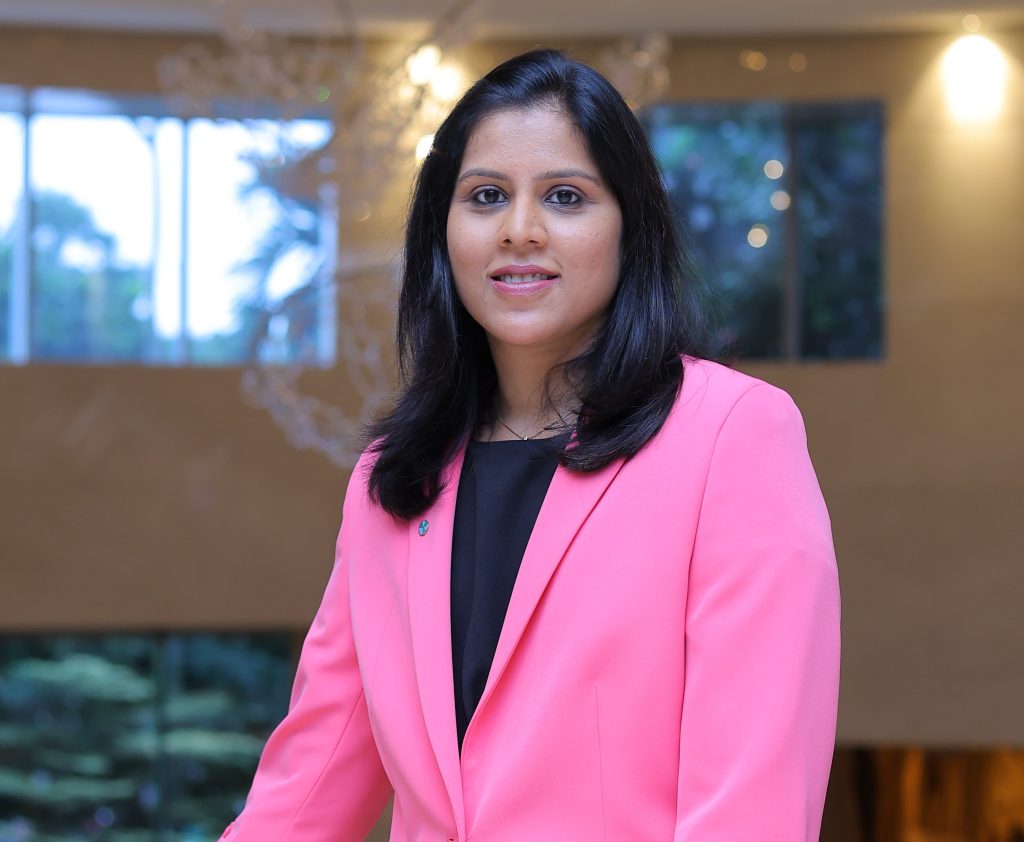
Megha Malpani, CFA, is a Partner at Zvest Financial Services and a capital allocator for UHNIs, founders and senior executives. Over sixteen years across ICICI Bank Private Banking, Standard Chartered and Kotak Securities, she has seen that the most dangerous risks in wealth management aren’t the ones investors don’t understand — they are the convictions that have worked for so long that no one questions them anymore.
Across asset allocation, manager selection and investor behaviour, she brings the same discipline to every decision: if she can’t see it in the portfolio, it doesn’t exist.
Harsh Kumar, CFA
Co-Founder and Partner at Zvest Financial Services
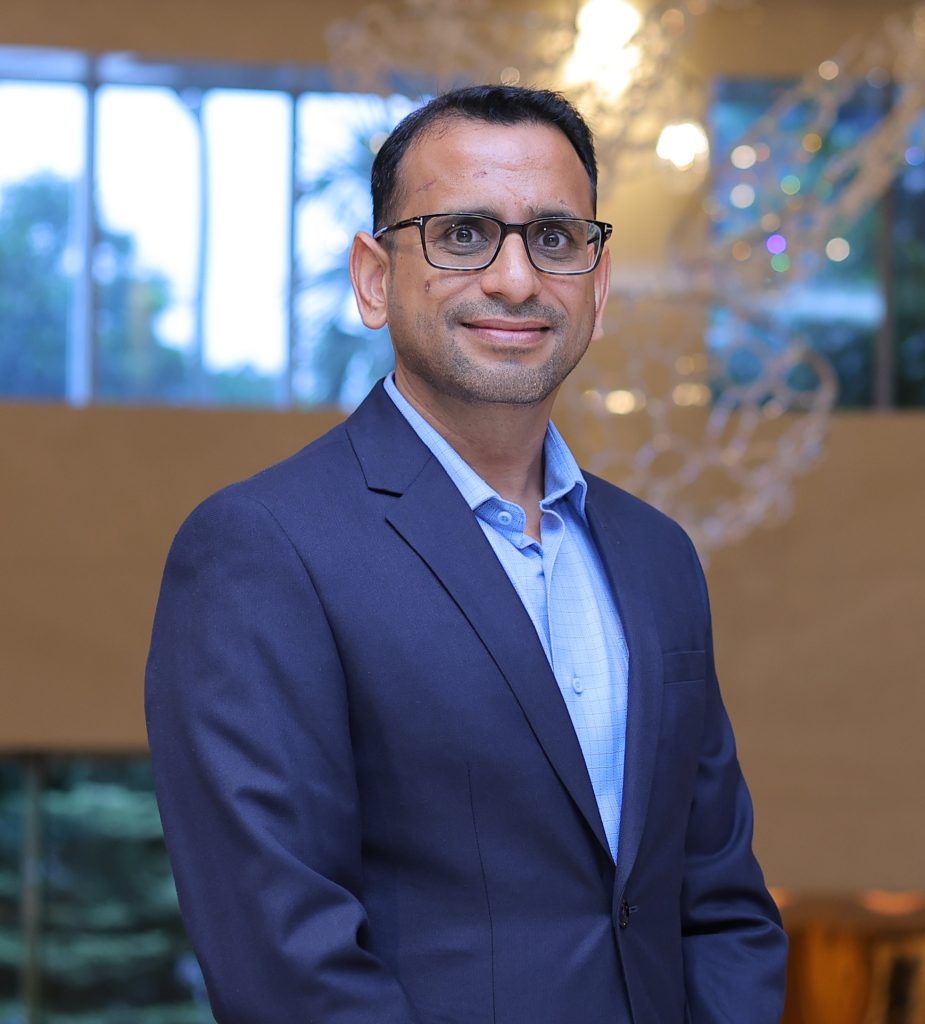
Harsh Kumar, CFA, is Co-Founder and Partner at Zvest Financial Services, where he works with UHNI families on holistic wealth management and investment strategy. With 21 years of experience across financial services, investments and business, he has previously worked with Citibank, Olam International Limited and Maruti Suzuki India Limited, and was Head of Investment Advisory, Bangalore at ICICI Bank Wealth Management.
An MBA from IIT Delhi and a CFA® charterholder, Harsh brings a multidisciplinary perspective to investing, with a particular interest in behavioural finance, connecting seemingly unrelated ideas, and understanding how decisions shape long-term wealth